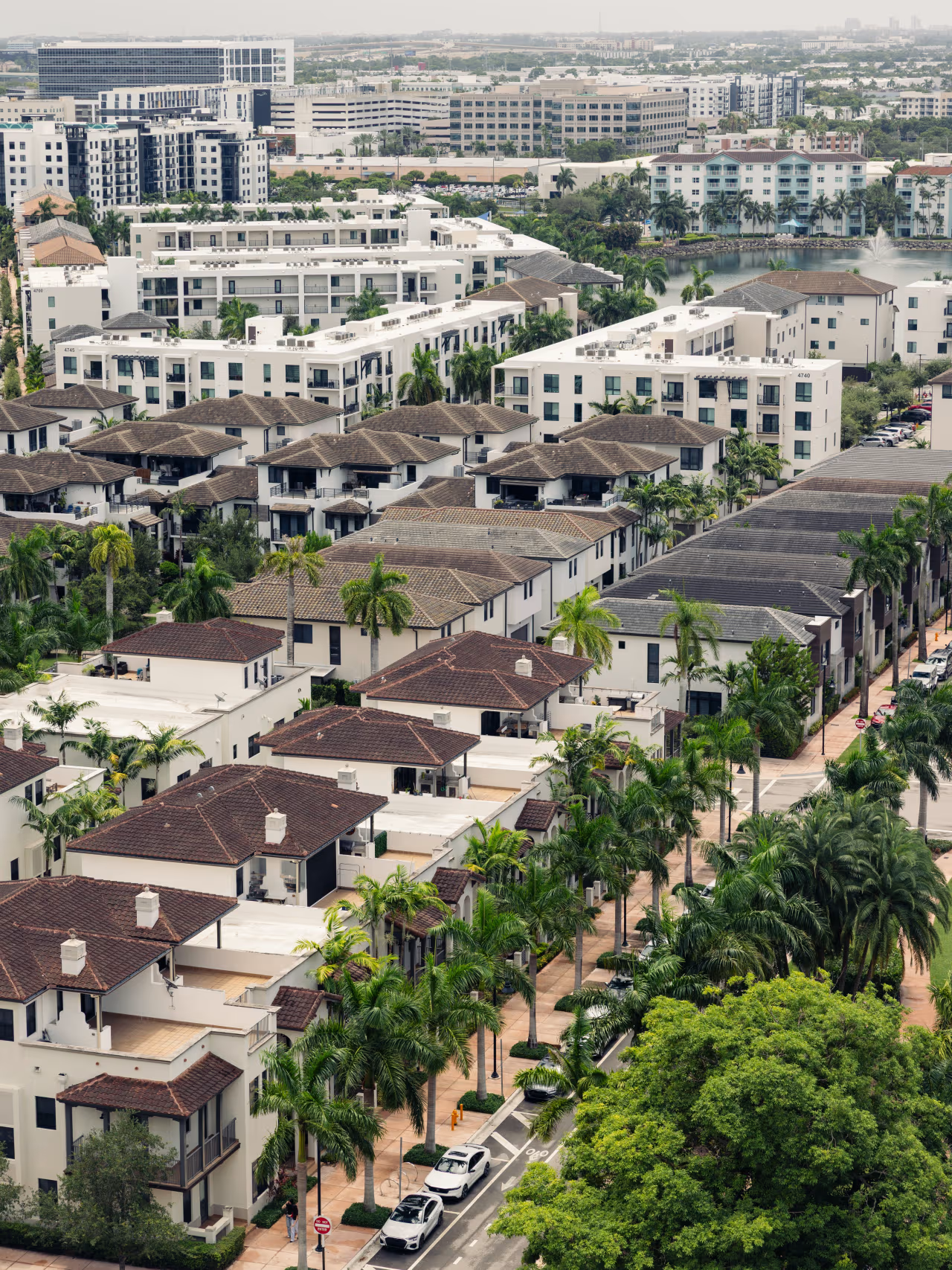


Introduction to Pool Value in Miami Real Estate
The allure of a swimming pool in a residence is particularly pronounced in the vibrant, sun-soaked city of Miami, where a warm climate prevails for much of the year. As such, the integration of a pool into a home not only enhances leisure opportunities but also serves as a compelling feature in the local real estate market. For homeowners and potential buyers in Miami, the presence of a pool can be a significant factor in assessing the value of a property.
In Miami’s competitive housing landscape, properties equipped with a pool often stand out. Buyers frequently seek homes that offer outdoor leisure amenities, and a well-constructed pool can fulfill that desire, making properties with pools more enticing than those without. The pool area itself can become an invaluable extension of the home, offering a space for relaxation, family gatherings, and entertainment, qualities that resonate particularly well in Miami’s sociable culture.
Furthermore, the investment potential associated with having a pool cannot be overlooked. While the initial costs of installation and maintenance can be substantial, a pool may significantly boost a home’s resale value when it comes time to sell. This aspect is especially compelling for property owners looking to capitalize on Miami’s thriving real estate market. Homebuyers often view a pool as a desirable feature, translating into higher purchase offers and quicker sales.
Throughout this post, we will delve deeper into the multifaceted effects of pools on home values in Miami, examining various factors, such as regional climate, market trends, and buyer preferences. Understanding these elements will provide a clearer insight into how much value a pool can truly add to a home in this dynamic real estate environment.
The Impact of Pools on Home Valuation and Sale Price
The addition of a pool is a significant factor in determining a property’s market value in Miami. Real estate agents often highlight homes with pools as desirable features, especially in a climate where outdoor living is highly valued. Various metrics illustrate that houses equipped with pools typically command a higher sale price compared to those without. On average, a pool can add between 5% to 15% to the overall value of a home, depending on the location, type of pool, and neighborhood amenities.
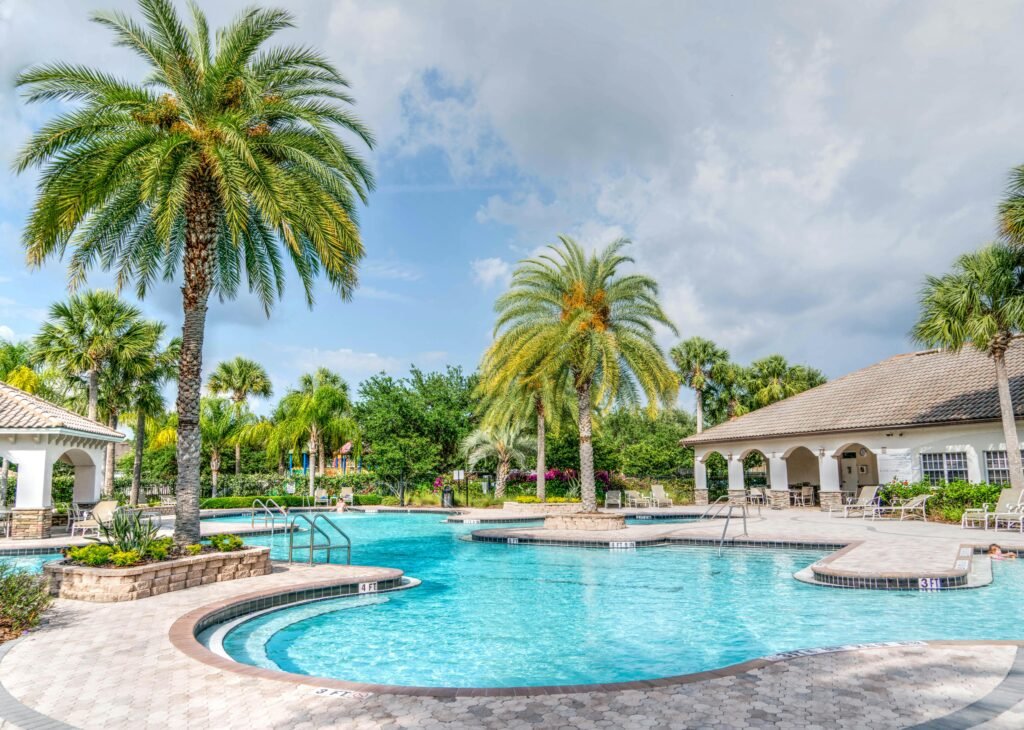
One key component of home appraisal considerations is the comparison of similar properties. Appraisers analyze homes sold in the vicinity to assign a value to the pool when calculating the overall market worth. If several comparable homes in a neighborhood feature pools, a property without one may be undervalued in relation to others, reflecting a direct influence on its final sale price.
Statistical data further reinforces these observations. In neighborhoods with high property values, homes that include pools tend to sell for significantly more than their non-pool counterparts. According to recent market analyses, there has been reported evidence that properties with pools saw an average sales price increase of nearly $30,000 compared to similar homes without this feature. Conversely, in areas where pools are less common, the added value may not be as prominent.
Factors impacting this valuation include the pool’s type—whether it is an above-ground, in-ground, saltwater, or heated pool—as well as its condition and surrounding amenities. Additionally, local zoning regulations and seasonal demand can influence the desirability and, consequently, the valuation of homes with pools. In markets like Miami, where residential swimming is a common lifestyle choice, the presence of a pool can dramatically affect a home’s attractiveness and potential selling price.
Factors Influencing the Value Added by a Pool
When considering how much a pool can add to a home’s value, it is essential to recognize the various factors that influence this enhancement. One significant aspect is the type of pool in question. Inground pools, often perceived as more luxurious and aesthetically pleasing, generally provide a greater value increase than above-ground options. Buyers tend to view inground pools as permanent features and are willing to invest more in properties that include them.
Equally crucial is the design of the pool itself. A well-designed pool that complements the architectural style of the home can significantly enhance property value. Features such as custom shapes, built-in spas, and surrounding patios can create an inviting outdoor space that appeals to potential buyers. Moreover, attractive landscaping that incorporates the pool area can further beautify the property and increase its value.
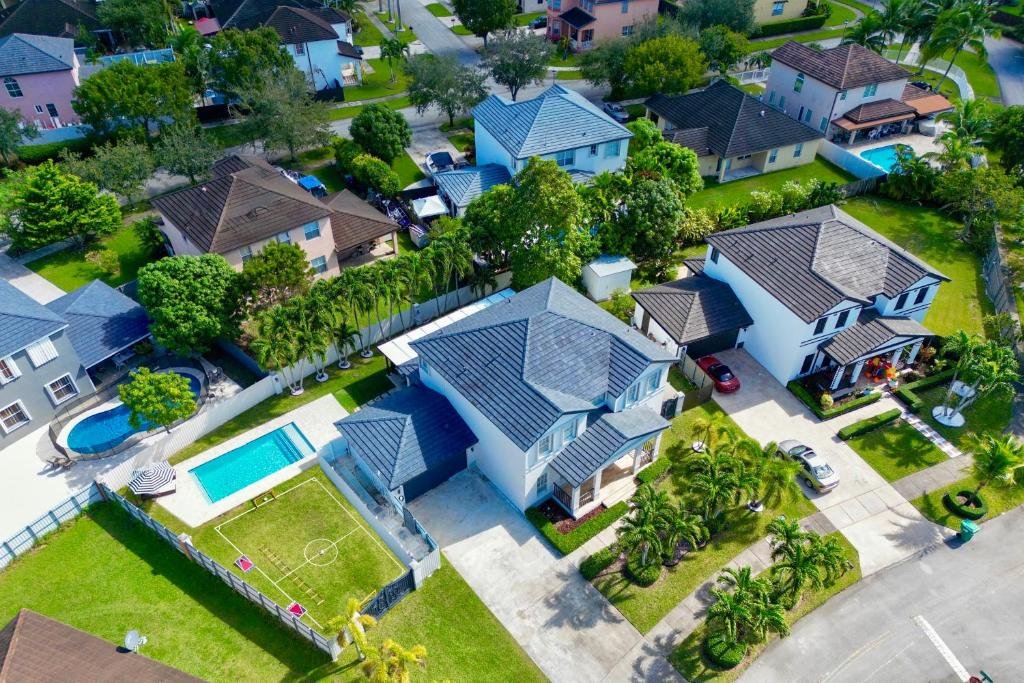
Maintenance costs associated with the pool also play a pivotal role in determining its impact on property value. Prospective buyers will take into account the expenses related to upkeep when deciding on purchase offers. A pool that is efficient in terms of maintenance, perhaps equipped with modern filtration systems, may be more appealing. Additionally, a thorough understanding of regional trends and buyer preferences is vital. In Miami, where the climate supports year-round pool usage, there is often a strong demand for these amenities. Potential homeowners typically seek properties with pools as they contribute to the lifestyle associated with living in a warm, sunny environment.
In summary, the value added by a pool is influenced by multiple factors including pool type, design, landscaping, maintenance costs, and broader market preferences. Understanding these variables allows homeowners to make informed decisions on their property enhancements.
Conclusion: Evaluating Your Investment in a Pool
In evaluating the investment in a pool, homeowners and prospective buyers in Miami should carefully consider both the financial and lifestyle implications involved. While it is often argued that a well-designed pool can enhance property value, its impact varies based on numerous factors, including local real estate trends, neighborhood standards, and individual preferences.
The addition of a swimming pool can appeal to many potential buyers, particularly in a tropical climate like Miami, where such amenities can enhance outdoor living experiences. Numerous studies indicate that homes with pools often see increased demand, which can lead to a greater market value upon sale. However, it is essential to recognize that the initial costs of installation, maintenance, and insurance can add up significantly.
Moreover, investing in a pool should also take into account personal lifestyle benefits. For families, a pool can provide a space for recreation and relaxation, contributing positively to daily life. Conversely, for homes with limited yard space or in areas where the climate does not support outdoor living year-round, the return on investment may not justify the expenditures incurred.
When deciding whether to add a pool, prospective investors should reflect on their priorities and whether the benefits — both financial and personal — align with their long-term goals. Engaging with real estate professionals to gain insights into current market trends can also offer a clearer picture of how a pool would fit into the overall property landscape. Ultimately, careful analysis and consideration will help ensure that any investment made is both sound and fulfilling.