

Introduction to Unpermitted Work in Miami Real Estate
Unpermitted work refers to alterations or renovations made to a property without the necessary approvals and permits as required by local government regulations. In the Miami real estate market, unpermitted work can significantly impact the value of properties, creating challenges for both homeowners and potential buyers. Property owners may undertake such work due to various reasons, including the desire to save costs on fees associated with obtaining permits or a belief that they can avoid navigating through sometimes complex regulatory processes. This practice, while potentially beneficial in the short term, poses risks that may outweigh the initial savings.
Homeowners often view unpermitted work as an attractive option to enhance their living space or increase their property’s value without adhering to bureaucratic constraints. However, these modifications can lead to complications down the line, especially in a region like Miami-Dade and Broward, where local building codes are strictly enforced. In fact, the unique regulatory environment of the area can result in severe consequences, including fines and mandatory removal of unpermitted structures.
Furthermore, unpermitted work raises concerns for buyers and investors in the Miami real estate market, who may be wary of properties laden with undocumented renovations. The inherent risks associated with unpermitted alterations can deter prospective buyers, consequently lowering the market value of affected properties. Therefore, understanding the complexities surrounding unpermitted work is paramount for homeowners aiming to navigate Miami’s real estate landscape successfully. As the region continues to attract families and real estate investors alike, addressing the implications of unpermitted work becomes increasingly relevant and crucial for ensuring long-term investment value.
Legal Compliance and the Risks of Unpermitted Work
In Miami, the importance of adhering to city codes and regulations cannot be overstated, particularly when it comes to property modifications. Unpermitted work—any construction or renovation carried out without the necessary permits—can have significant legal implications for property owners. Engaging in such work may initially seem appealing for those wanting to make quick enhancements; however, the associated risks often outweigh the benefits.
By bypassing the permitting process, homeowners expose themselves to a range of legal consequences. Municipalities typically conduct inspections to ensure compliance with safety standards, zoning laws, and building codes, all of which serve to protect both the property and broader community interests. Failing to comply can result in hefty fines, and homeowners may be forced to remove unpermitted improvements at their own expense.
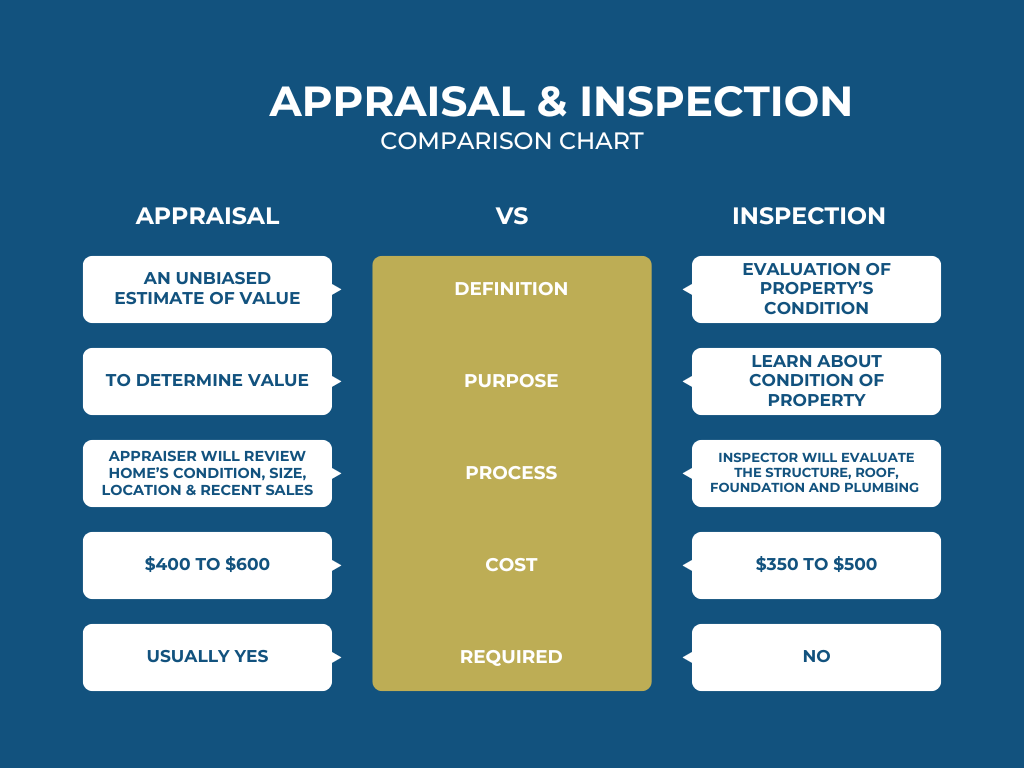
The legal ramifications extend beyond immediate penalties; they can also affect the value of the property. During a sale or appraisal, unpermitted work can trigger red flags for potential buyers and financial institutions. Lenders often require comprehensive documentation of property improvements, and the absence of permits creates doubts regarding the quality and legality of the work carried out. This hesitation can lead to lower offer prices or, in some cases, an inability to secure financing altogether.
From a risk management perspective, ensuring legal compliance is an essential strategy for homeowners and investors alike. Maintaining property value necessitates understanding and adhering to regulations regarding permitted work. It protects against unforeseen liabilities while preserving the integrity of investments. As Miami’s real estate market continues to evolve, prudent property owners will prioritize compliance to safeguard their assets and enhance long-term value.
How Unpermitted Work Affects Property Value

Understanding the ramifications of unpermitted work on property value is crucial for homeowners and real estate investors alike. Unpermitted modifications, while they may enhance a property’s appeal or functionality in the short term, can have a detrimental impact on its resale value. Buyers are generally hesitant to purchase properties that feature improvements lacking the necessary permits. This apprehension can lead to reduced offers or, in some cases, outright rejection of the property during the sales process.
The challenge of appraisals furthermore exacerbates this issue. Appraisers are trained to evaluate properties based on their adherence to local building codes and regulations. Unpermitted work raises eyebrows during the appraisal process, often resulting in a lower property valuation than anticipated. When sellers attempt to transfer ownership of a home with unpermitted alterations, they may be faced with lengthy negotiations and potential price reductions to compensate for the perceived risk buyers associate with unpermitted work.
Moreover, the stigma surrounding properties with unpermitted alterations can deter potential buyers outright. Anecdotal evidence suggests that homes with such modifications linger on the market longer than comparable properties that are fully compliant with local building codes. For instance, a local Miami investor recalled a similar experience; after purchasing a home with extensive unpermitted additions, they struggled to sell it for nearly a year, ultimately resulting in a sale price significantly below market value due to buyer concerns over compliance issues.
In light of these complexities, it becomes evident that adherence to permitting regulations significantly influences property value. Homeowners should prioritize obtaining necessary permits for renovations to ensure that their investments maintain or increase their market worth, alongside minimizing potential legal liabilities in the future.
Best Practices for Ensuring Compliance and Enhancing Property Value
To ensure renovations comply with local ordinances and thereby enhance the value of a property, homeowners and investors must adopt several best practices. First and foremost, conducting thorough research prior to initiating any work is essential. This research should include reviewing Miami’s specific zoning laws, building codes, and other pertinent regulations that govern property modifications.
Consulting with professionals, such as architects, contractors, and real estate attorneys, can significantly contribute to a successful renovation process. These experts possess the knowledge and experience necessary to navigate the complexities of local laws, ensuring that all renovations and upgrades are authorized and correctly implemented. Moreover, they can assist in identifying any potential pitfalls that may arise during the renovation process, allowing homeowners to address issues proactively.
Obtaining the necessary permits before commencing any work is a critical step. In Miami, specific types of renovations, such as structural changes, electrical work, or plumbing modifications, typically require permits. Not only does this compliance safeguard against fines and legal ramifications, but it also assures prospective buyers that the property has undergone legitimate, high-quality improvements.
Furthermore, maintaining compliance throughout the renovation process can enhance property value significantly. Properties that meet local regulations appeal to a broader buyer pool, as potential homeowners prefer properties that are built and modified within legal frameworks. A compliant property reflects a commitment to quality and safety, increasing its marketability and ultimately making it more attractive to investors looking for viable opportunities.
In conclusion, adhering to local regulations through diligent research, professional consultation, and obtaining necessary permits can significantly bolster property value. By implementing these best practices, homeowners and investors can maximize their investments while ensuring that their properties remain appealing and compliant.