


Understanding Property Zoning and Permits
Before undertaking any renovation project, it is essential to grasp the significance of property zoning and the associated permits, particularly in regions like Miami-Dade and Broward counties. Zoning laws are designed to govern land use and can affect everything from the type of construction allowed to the modifications permissible on existing structures. Familiarizing oneself with different zoning classifications is crucial, as these designations indicate what activities are lawful on a property and the specific regulations that must be followed during renovations.
In Miami-Dade and Broward counties, properties may be categorized into various zoning classifications, such as residential, commercial, industrial, or mixed-use. Each classification carries its own set of regulations. For instance, a residential property might have restrictions regarding the height of structures or the type of additions permitted. Therefore, potential buyers and investors must conduct thorough research into the specific zoning designations applicable to the desired properties.
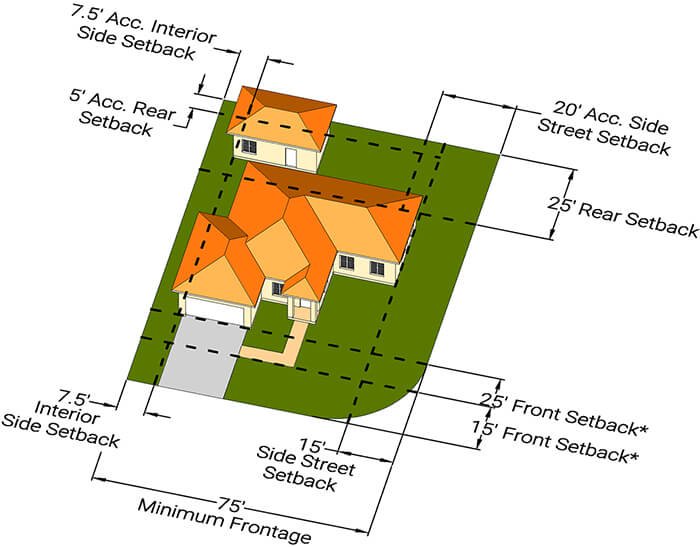
Obtaining the necessary permits is another critical factor in property renovations. A permit is generally required to ensure that any renovations comply with local building codes and zoning regulations. The permitting process typically involves submitting renovation plans to the local building department for review. Depending on the extent of the proposed work, various permits may be necessary, such as building permits, electrical permits, or plumbing permits. Failing to adhere strictly to these requirements can lead to potential fines, delays, or even the revocation of work completed without proper authorization. Thus, understanding and navigating zoning laws and the permitting process is paramount for anyone considering property renovations.
Architectural Considerations for Renovation
When evaluating a property for renovation, it is crucial to assess various architectural elements that may influence the overall feasibility of your project. Firstly, examining the structural integrity is vital. This entails identifying any significant issues related to the foundation, roofing, and load-bearing walls. A comprehensive structural inspection should be conducted by a licensed professional to determine if the existing framework can support the intended remodels. Addressing structural problems during a renovation can often lead to substantial costs, thereby impacting the economic viability of the project.
Another essential consideration is adherence to local building codes. These regulations exist to ensure safety and compliance with construction standards. Depending on the location of the property, there may be specific zoning laws that dictate allowable renovations. It is imperative to consult with local government offices or a qualified architect to ensure that your intended changes are permissible, as violations can result in costly fines or mandatory restoration to the original state.
Additionally, potential homeowners and investors should be aware of design limitations that may arise from historical preservation regulations. Properties designated as historical landmarks might have strict guidelines governing any modifications to their appearance and structure. Understanding these restrictions is fundamental to properly estimating the scope and budget for renovations. Failure to comply with such regulations may hinder your renovation efforts, ultimately leading to extensive delays and frustrations.
In conclusion, thoroughly evaluating architectural considerations such as structural integrity, compliance with building codes, and historical preservation restrictions is paramount before pursuing any renovation project. By addressing these factors early in the purchasing process, buyers can mitigate potential risks and enhance the likelihood of successful project outcomes.
Assessing Structural Features of a Property
When considering a property for renovation, it is imperative to conduct a thorough assessment of its structural features. A comprehensive understanding of a property’s physical structure can prevent costly surprises and help in accurately estimating renovation expenses. Key aspects to investigate include the condition of the foundation, roofing, plumbing, and electrical systems. Each of these elements plays a crucial role in a property’s overall integrity and usability.
The foundation is the property’s most critical structural feature. Inspect for cracks, shifting, or other signs of potential issues, as these can indicate underlying problems that may require significant remediation. A compromised foundation can lead to extensive renovation costs and might even jeopardize the feasibility of the project.
Next, evaluate the condition of the roofing. Look for missing shingles, leaks, or signs of sagging, which can suggest that the roof may need significant repair or replacement. A faulty roof not only exposes the property to water damage but may also affect other structural components.
Plumbing and electrical systems should also be assessed. Outdated or damaged plumbing can lead to severe water damage and may require extensive renovations to bring it up to code. Similarly, review the electrical systems for safety and functionality. Ensure that wiring complies with local building codes, as subpar electrical work can pose safety hazards.
Additionally, it is crucial to recognize signs of water damage and pest infestations during inspections. Water stains, mold growth, and sagging walls are indicators of moisture issues that may need addressing before renovation. Pests such as termites can compromise the structural integrity of wood elements within the property, leading to additional complications. Identifying these issues early is essential for making informed decisions regarding renovation costs and risks.
In conclusion, a thorough evaluation of a property’s structural features is vital for any renovation project. This proactive approach ensures that potential challenges are identified and addressed, paving the way for successful renovations and long-term satisfaction with the investment.
Working with Professionals: Finding the Right Team for Your Renovation
When embarking on a property renovation, enlisting the right professionals is paramount to ensuring a successful outcome. A skilled team comprising architects, contractors, and inspectors can greatly influence the efficiency and quality of the renovation process. It is essential to take the time to find qualified professionals who can bring your vision to life while adhering to regulations and budget constraints.
To start, research local professionals in Miami and Broward. Look for architects who are not only licensed but also have experience in designing renovations similar to your project’s requirements. Check their portfolios to gauge the scope of their previous work and see if their design style aligns with your vision. Additionally, it may be beneficial to get recommendations from friends, family, or real estate agents who have recently undertaken similar projects.
When selecting contractors, ensure that they have the necessary credentials, including appropriate licenses and insurance. A contractor’s experience in managing renovation projects comparable to yours is crucial. Conducting interviews and seeking references can provide insights into their reliability and professionalism. Confirm that they have a clear understanding of the project timelines and budget, ensuring that any potential disruptions are minimized.
Inspectors are also vital to your renovation team’s composition. They help identify any existing issues in the property that could complicate renovation efforts. Opt for inspection professionals who are well-versed in the local building codes and can provide insights into potential challenges you may face before and during the renovation process.
Effective communication with your team is vital. Clearly articulating your renovation goals, budget, and timeline can help facilitate a smoother working relationship. Regular updates and discussions will ensure that everyone is aligned and that the renovation progresses smoothly. By assembling the right professionals and fostering open communication, you can navigate the complexities of your property renovation with confidence.